Escrow Foundation Inspection Checklist for San Diego Buyers and Sellers
An escrow foundation inspection checklist matters most in San Diego because a canyon-adjacent or slope lot can carry a foundation finding that either side of a deal did not expect, and escrow timelines do not leave room to figure that out from scratch.
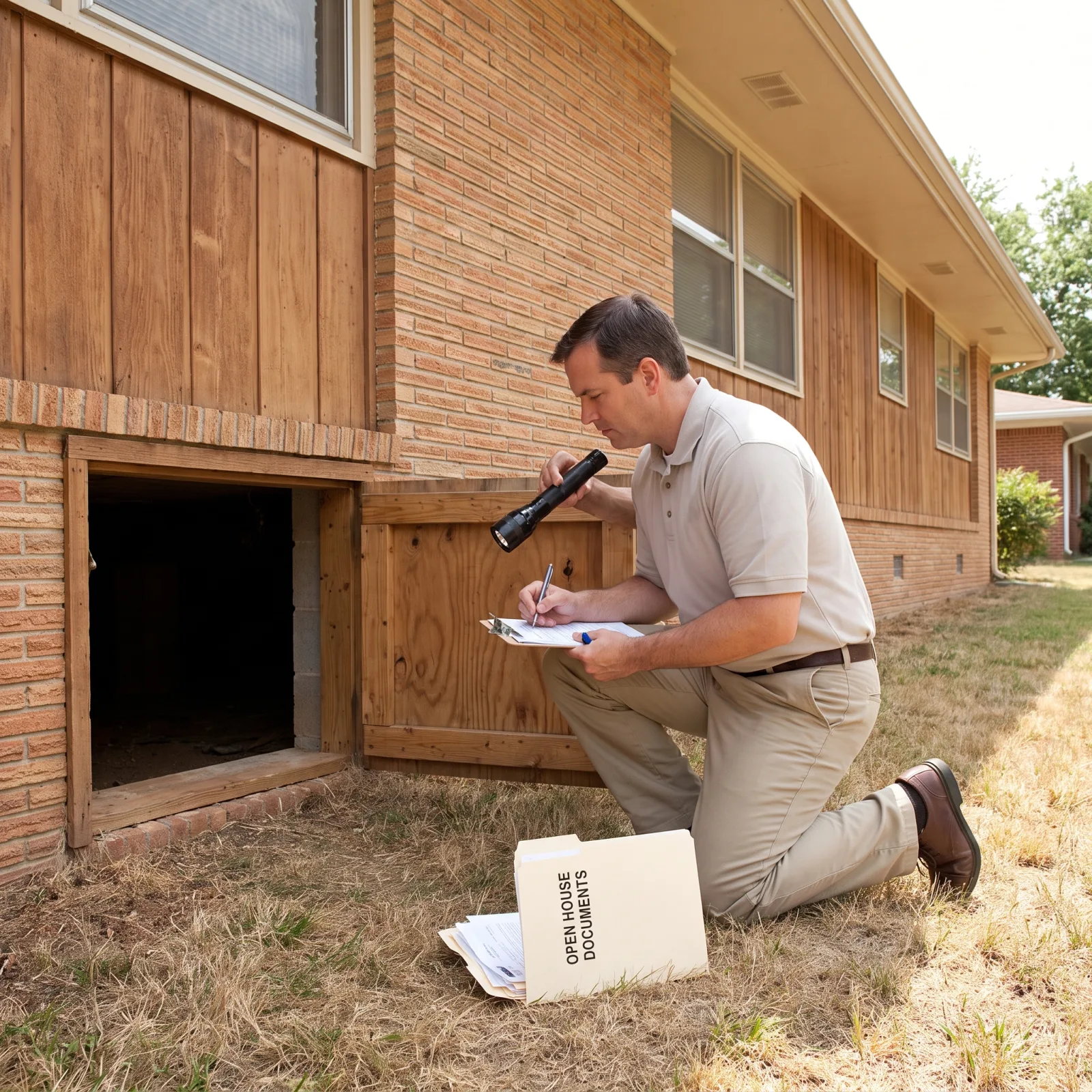
What a Buyer Should Document Before the Inspection Deadline
Walk the interior looking for the same signals a structural engineer looks for: sticking doors and windows, stair-step cracking near door and window corners, visibly sloping floors, and gaps between trim and drywall. Photograph and date anything found, and note which rooms sit over a crawlspace versus a slab, since access affects both diagnosis and repair cost later. Ask directly whether the seller has any prior engineering reports, prior repair invoices, or prior insurance claims tied to foundation movement — sellers are required to disclose known material defects, but "known" only covers what they were told, so this is worth asking even when the disclosure is silent on it.
What to Ask the Home Inspector to Flag Specifically
A general home inspector is trained to notice foundation red flags but is not a structural engineer and should not be the final word on a finding — ask explicitly whether anything observed rises to the level of recommending a structural engineer, rather than accepting a general "monitor over time" note without pressing for specifics. If the inspector flags anything, get a structural engineer's evaluation scheduled inside the inspection contingency window, not after it closes, because an escrow foundation inspection checklist item found after contingencies expire has far less negotiating leverage behind it.
Negotiating a Foundation Finding Without Killing the Deal
A confirmed active-movement finding does not have to end a transaction — it commonly gets resolved as a price credit, a seller-funded repair completed before close, or an escrow holdback tied to a written engineer scope, and which option makes sense depends on timeline flexibility on both sides. What derails deals more often than the finding itself is an unclear scope: negotiating around "there might be a foundation issue" is much harder than negotiating around a sealed engineer's report with a specific pier count and a specific price. Get the report first, then negotiate the number, not the reverse.
Post-Close: What a New Owner Should Do in Year One
Whether or not anything was flagged in escrow, it is worth re-photographing any existing cracks and door/window fit in the first month of ownership as a fresh baseline — that baseline is what lets a new owner tell the difference, a year or two later, between a foundation that has always looked that way and one that has started moving on their watch. If a repair was negotiated as part of the sale, confirm it was completed by a licensed contractor with a warranty document handed over at close, not just a receipt — the warranty is what protects the new owner if the same section settles again.
Related guides
Ready for a written number on your project?