Foundation Crack: When to Worry and When to Wait
A foundation crack: when to worry about it comes down to three measurable things — width, direction, and whether it has moved since you first noticed it — not how alarming it looks at first glance.
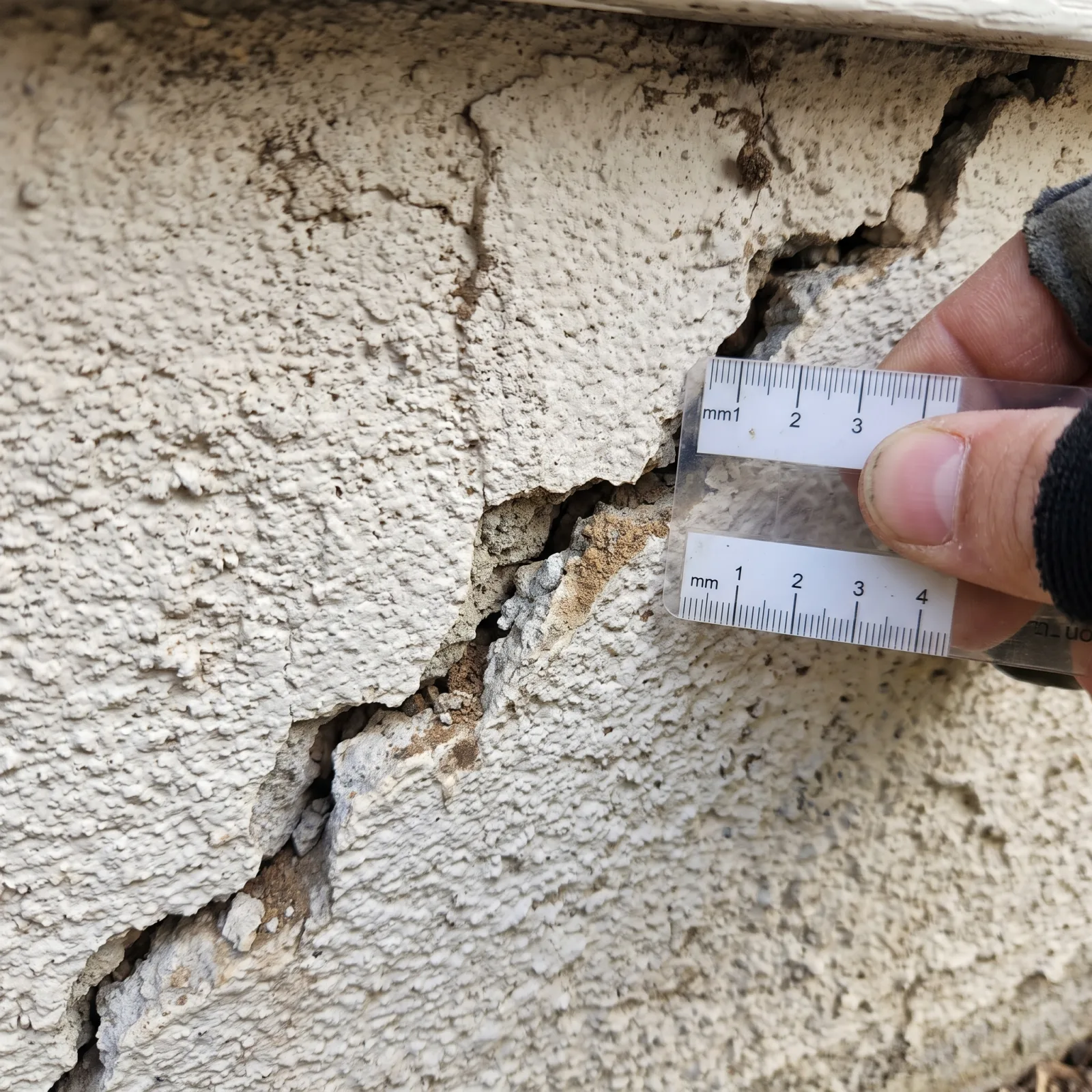
The Width Test
A vertical hairline crack under roughly a quarter-inch is common in poured concrete and block foundations and is usually shrinkage from the original cure, not an active structural issue. Once a crack opens past a quarter-inch, or has a visible offset where one side sits higher than the other, it has moved from a cosmetic concern into the range where a structural opinion is worth getting, because that kind of displacement means the two sides of the crack are no longer moving together as one piece of concrete.
Why Direction Matters As Much As Width
A horizontal crack, especially one running along a mortar joint in a block foundation, is a different and generally more serious signal than a vertical one — it often points to lateral pressure pushing in from outside, whether from expansive soil or hydrostatic pressure after heavy rain, rather than the simple vertical settlement a stair-step or straight vertical crack usually indicates. Diagonal, stair-step cracking that runs from a window or door corner toward a foundation corner is the classic signature of differential settlement and is worth documenting and watching even at a narrow width, because that pattern tends to keep tracking the same path as movement continues.
The Thirty-Day Movement Test
Width and direction tell you what kind of crack it is; movement over time tells you whether it is still active. Mark the end of the crack in pencil with the date, or take a dated photo with a coin for scale, and check again in a month. A crack that has grown, widened, or developed a new offset in that window is confirmed active and worth a structural engineer's look regardless of how narrow it started. A crack that has not changed in a monitored month, especially one under a quarter-inch, is far more likely to be a stable, cosmetic condition.
When to Call an Engineer Instead of a Contractor First
Multiple cracks appearing together — stair-step cracking plus a sticking door plus a sloping floor in the same part of the house — is worth an engineer's opinion before any contractor bid, because a foundation contractor pricing piers has an incentive structure different from an engineer's and the two should not be the only two opinions in the room. A single narrow, unmoving crack with no other symptoms rarely needs that step. When in doubt, the cost of a monitoring period and a professional opinion is small next to the cost of either over-repairing a stable foundation or under-repairing an active one.
Related guides
Ready for a written number on your project?