Living in a House During Foundation Repair
Can you live in a house during foundation repair? For most underpinning and raised foundation jobs, yes — the work happens at the perimeter or in the crawl space, not inside your living space. Here's what actually changes day-to-day while a crew is on site.
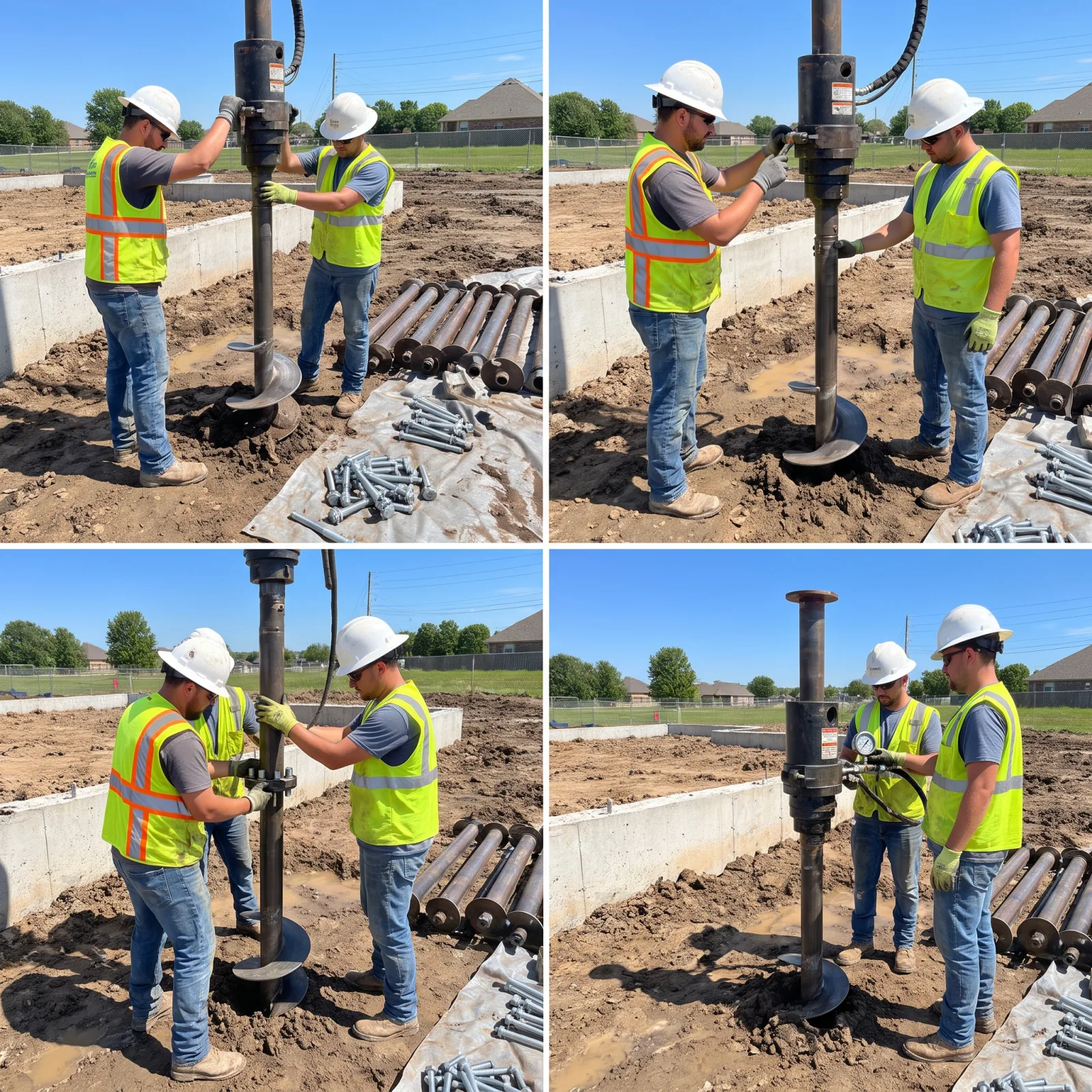
Living in a House During Foundation Repair: Why Most Underpinning Doesn't Require Moving Out
Push and helical pier underpinning is done from outside the foundation line — a crew excavates small access pits around the perimeter, drives or drills the piers, and connects them to the footing with a bracket. None of that touches the interior of the house, so the rooms above stay usable throughout. Raised foundation repair works similarly from the crawl space below the floor. In both cases, you're living above or beside an active job site, not inside one.
What Actually Gets Disrupted
Noise is the honest answer here — hydraulic pier-driving equipment and drilling are loud during work hours, typically a standard weekday schedule set by local noise ordinances. Yard and driveway access gets limited wherever equipment or excavated soil sits, sometimes for the full duration of a multi-day job. If a water, gas, or electrical line runs near a dig location, expect the contractor to flag a short planned interruption in advance rather than a surprise. Cosmetic interior repair — patching drywall cracks or resetting a door after the house is re-leveled — happens after the structural work and is quieter, but can make one room off-limits for a day or two while paint or texture dries.
Living in a House During Foundation Repair: When a Contractor Would Ask You to Leave
Vacating is uncommon but not unheard of. Full cripple wall replacement that opens large sections of subfloor, interior slab-cutting to install piers under a load-bearing interior wall, or any scope where the structural engineer flags an active safety concern during construction are the scenarios where a contractor may recommend, or a permit may require, that you not be in the house for specific work days. This is scope-specific, not universal — ask directly whether your particular repair plan includes it before you schedule, and get it in writing if so, since it affects how you plan the job around work and family logistics.
Pets, Kids, and Practical Precautions
Keep pets and small children away from open excavation pits and staged equipment — a reputable crew will fence or cover access points at the end of each work day, but ask about their site-safety practice before work starts, especially if young kids play in the yard. If your bedroom or living space sits directly above where piers are being driven, ask about the expected daily noise window so you can plan around it rather than be surprised by it.
Related guides
Good to Know
Frequently Asked Questions
Can you live in a house during foundation repair?
Most foundation underpinning and raised foundation repair happens outside the living space — in the yard perimeter or the crawl space — so you can typically stay in the house for the duration. Noise, vibration, and equipment access are the main disruptions, not lost living space.
What actually gets disrupted while piers are being installed?
Expect drilling and hydraulic equipment noise during work hours, temporary loss of yard or driveway access where equipment sits, and possible short water or utility interruptions if a line runs near the dig. Interior finish work — patching drywall or stucco after the piers are set — is quieter but can mean a room is unusable for a day or two.
When would a contractor actually ask you to leave during the job?
Vacating is uncommon but can be recommended for full cripple wall replacement that opens large sections of flooring, interior slab-cutting work, or any scope where a structural engineer flags an active safety concern during construction. Ask your contractor directly whether your specific scope requires it before scheduling.
Want to know exactly what your specific repair will involve day-to-day?